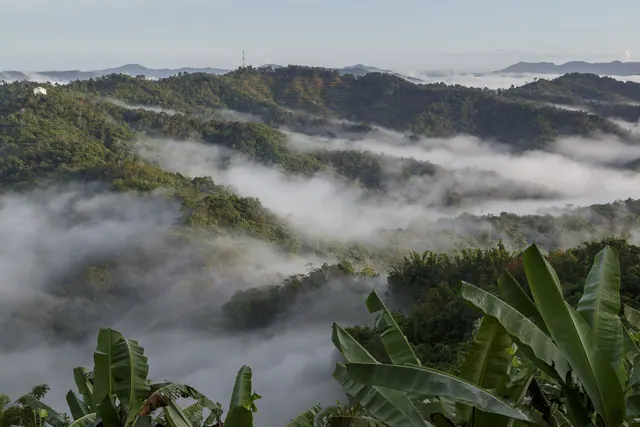
The rainforest hums around you, a bamboo tube hisses over hot coals and a guide in traditional dress waves you into a tribal house. A short drive inland from Kota Kinabalu, Mari Mari Cultural Village tells the story of Sabah's first peoples one home at a time, showing you how each indigenous tribe farmed, hunted, cooked and celebrated.
It's a half-day trip that slots neatly round the wildlife part of a Borneo holiday. The orangutans, the dawn river cruises and the jungle lodges are on our Kinabatangan River page. This one is about the people.
What is Mari Mari Cultural Village?
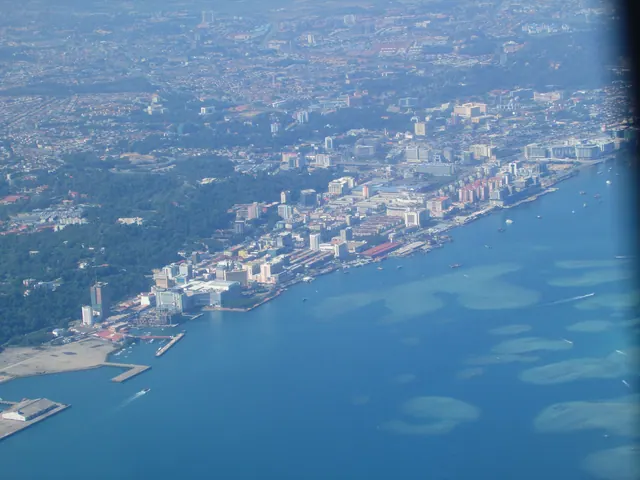
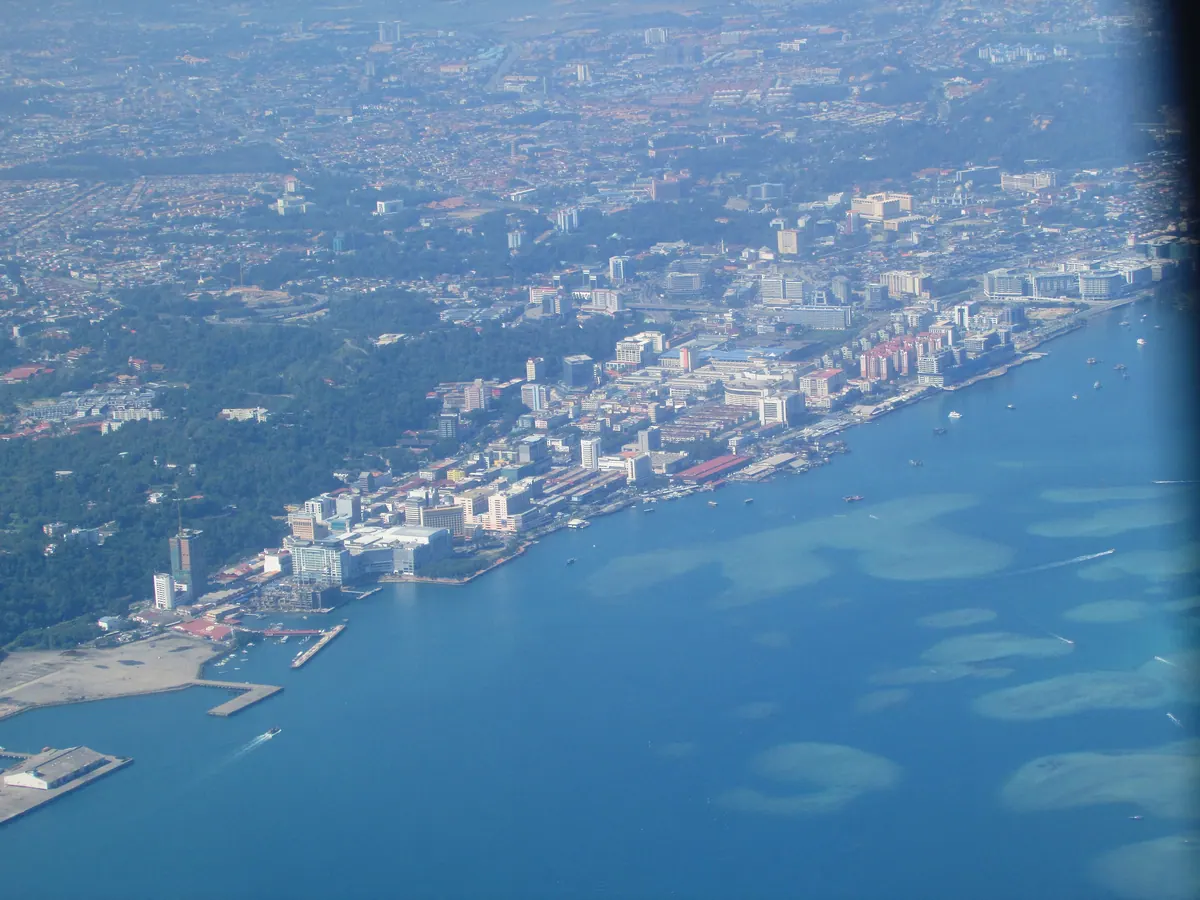
It's a living museum in the forested hills at Kionsom, near Inanam, a short drive from the city. It was set up in the mid-1990s to preserve old traditions as Malaysia modernised around them. Five indigenous groups each have a traditional house along a guided forest path. Sabah Tourism lists it among the state's heritage sights.
Your hosts are descendants of those tribes, most of them living nearby in ordinary modern homes, who come here to share the dress, traditional crafts and customs handed down through the generations. So nobody actually lives in this village, but for a morning you step back in time with the people whose families kept these ways.
The five ethnic groups you'll meet
There are dozens of ethnic groups in the state and Mari Mari picks five of the best known, each with its own traditions.
| People | Where they live | What you'll see |
|---|---|---|
| Kadazan-Dusun | The west coast plains and interior valleys, around Penampang, Tambunan and Ranau | Rice farmers' tools, cooking and rice wine |
| Rungus | The Kudat peninsula at the northern tip of the island | Beadwork and fire without matches |
| Lundayeh | The southern highlands, a hunting and fishing people | Rope and vests made from tree bark |
| Bajau | The coasts, with the horsemen of Kota Belud in the west | Heirlooms, a bridal room and kuih jala, a lacy fried snack |
| Murut | The south-west interior, around Keningau and Tenom | Blowpipes and the bouncing lansaran floor |
The Kadazan-Dusun are the largest indigenous group in Sabah. Their Kaamatan harvest festival runs through May with rice wine at the heart of it. The closing days are held at the Hongkod Koisaan hall in Penampang, just outside Kota Kinabalu.
What happens on a Mari Mari visit
Visits run as guided tours, one in the morning and one in the afternoon. You go round in a small group, starting with a walk through the rainforest before each tribe takes its turn.
The rice farmers' house: bamboo and rice wine
At the Dusun house, food cooks in bamboo tubes while your hosts explain the slow business of brewing rice wine. A taste is offered if you'd like one.
The Rungus house: fire without matches
Here a flame is coaxed from bamboo with no lighter in sight, the fire-starting trick everyone remembers, before you peek into a family room off the shared gallery.
The Lundayeh and Bajau homes
Bark turns up everywhere at the Lundayeh house, worked into rope, vests and even walls. Over with the Bajau there's pandan juice, kuih jala and a bridal room hung with bright fabric.
The Murut house: blowpipes and the lansaran
The tribe's chief greets you with a short traditional welcome, then comes a blowpipe demonstration. In the middle of the floor is the lansaran, a sprung platform of logs that people bounce on to reach a prize hung overhead. It works like a trampoline! Have a go if you'd like to, or simply watch.
The performance and the meal
Everything finishes in a hall with traditional dance, music and storytelling, then a buffet of local delicacies that's lunch or high tea depending on your session. The village's own site lists these in a standard ticket:
- Entry with an English-speaking guide
- The guided walk round the tribal houses
- Hands-on activities and live demonstrations
- The traditional dance performance
- A buffet meal
Borneo headhunters: the real history
Headhunting is what people ask about first and the guides talk about it plainly.
Several of the island's peoples once took the heads of enemies in raids and feuds, as proof of a warrior's courage and as part of their spiritual beliefs. The Murut were among the last to give it up. The practice died out under British North Borneo rule in the early twentieth century. What's left are the traditions around it: war dances, stories and old skulls kept as heirlooms. You'll see a few at Mari Mari, while the best-known collection hangs in the House of Skulls at Monsopiad, a heritage village in Penampang named after a legendary Kadazan warrior.
It's history, not a horror show.
Longhouses in Borneo and who still lives in them
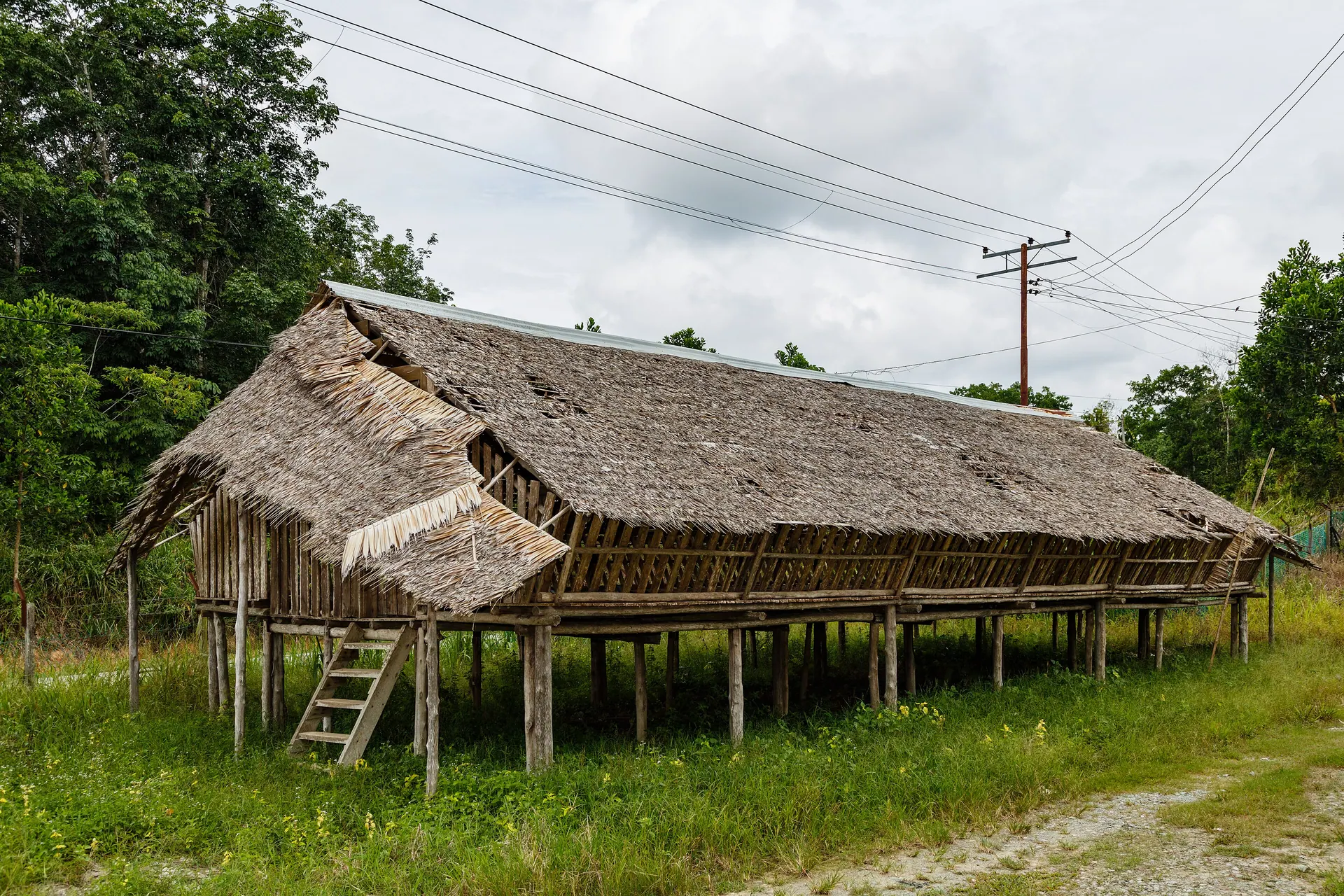
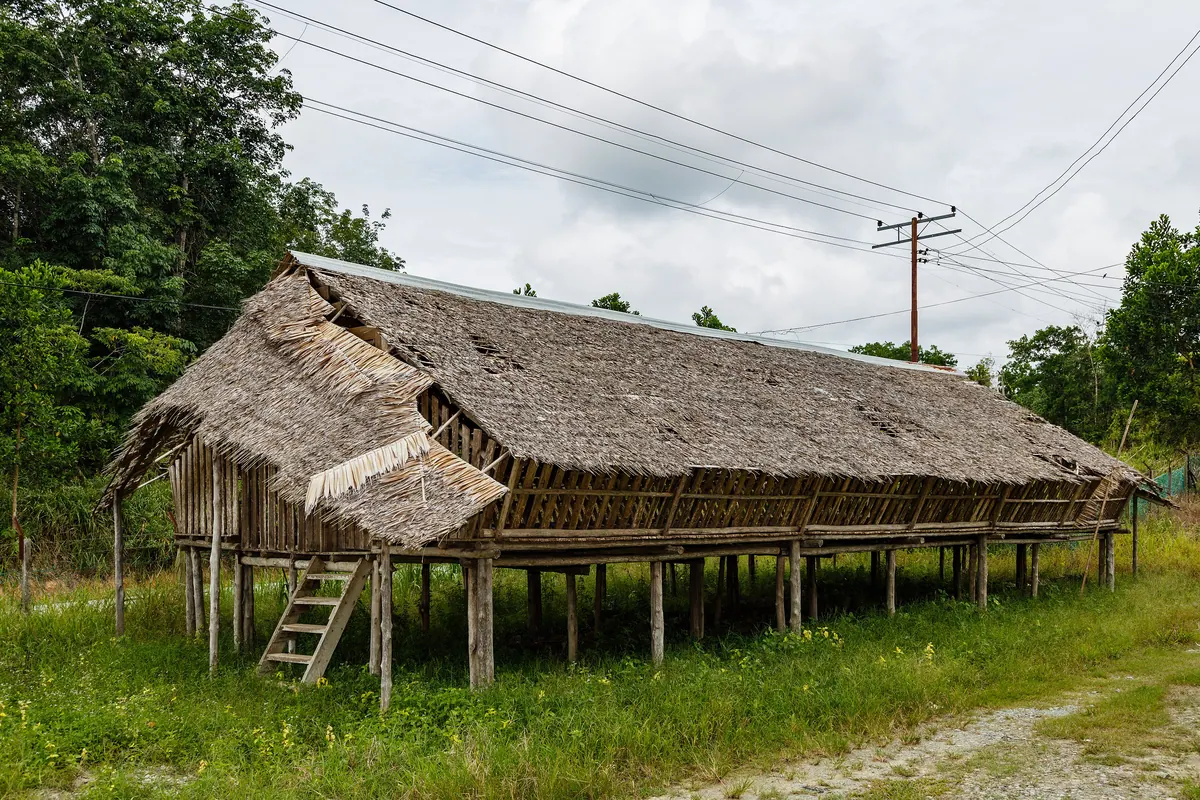
Picture a whole village under one roof: a row of family rooms opening onto a long shared gallery where people work, talk and gather in the evenings. Rungus families still live this way around Kudat in the far north. Across the border in Sarawak, the Iban and Bidayuh are the best-known longhouse peoples. Some organised holidays include a visit or even a night's stay with them.
Is Mari Mari authentic and is it worth it?
It's a show put on for visitors and it doesn't pretend otherwise. The skills, customs and traditions are real though. So are the families behind them.
If you'd like the big picture in a few hours, it's well worth the morning. You'll come away knowing a Rungus home from a Murut one and why rice matters so much to the farmers of the interior, which makes the rest of Sabah far easier to read.
For everyday rural life, a village walk is the other half of the picture.
Planning your visit
Booking, tickets and transfers
Book ahead, as visits run in set sessions. Most tickets can include a hotel pick-up with a return transfer from the city, which matters because there's no public transport out to Kionsom. The village also warns there's no Grab service back from the site, so if you take a ride-hailing car out, book the return too. Bring cash, since it says it can't take cards at the entrance. Don't book a visit on the morning you fly home.
The walk, the heat and what to pack
The paths are uneven forest trails that turn muddy after rain and visits go ahead rain or shine. In the heat and humidity it's a steady stroll rather than a hike, with the dance and the meal under cover at the end. Take your time on the slippery stretches.
- Covered walking shoes with grip, not flip-flops
- Insect repellent, as NaTHNaC warns of dengue, spread by mosquitoes that bite by day
- A light raincoat or a small umbrella
- A bottle of water and a hat
- Cash in ringgit
- Your hotel's name and the pick-up time
- Any dietary needs, given when you book
Ask before you photograph your hosts close up. There's usually a chance for photos with the performers after the dance.
Which organised holidays include it?
Not all of them, so here's how they compare, going by each operator's own page as checked in October 2026.
| Operator | Mari Mari? | Meeting the people |
|---|---|---|
| Travelsphere | No | A welcome dinner with Sabah dancers, then a Kiulu Valley walk over a hanging bridge to a Dusun house in Tombung village |
| Mercury Holidays | Included | A visit with cooking and blowpipe demonstrations |
| Riviera Travel | Included | A stop on the way from the airport to Rasa Ria |
| Newmarket Holidays | Optional | An excursion on a free day at Rasa Ria, with lunch |
| Trailfinders | Add-on | Added through your travel consultant |
| Wendy Wu Tours | No | An Iban longhouse reached by longboat |
| Explore | No | A night in a Bidayuh village homestay |
Travelsphere's Kiulu day takes a different approach: a walk into a working farming village and a welcome in a family home, with rubber tapping on the farm, rather than a museum visit.
Whichever you choose, the organised format takes the awkward bits off your hands. The transfer is booked, the timings fit round the flights and a guide explains what you're seeing. All the holidays side by side are on our Borneo tours page.
Is it safe to visit?
Yes, as far as the travel advice goes. GOV.UK advises against all but essential travel to the islands and dive sites off eastern Sabah between Sandakan and Tawau. That warning doesn't cover the mainland. The village is on the west side of the state near the capital. Advice can change, so check the live page before you travel. Our safety guide has more.
Where it fits in your trip
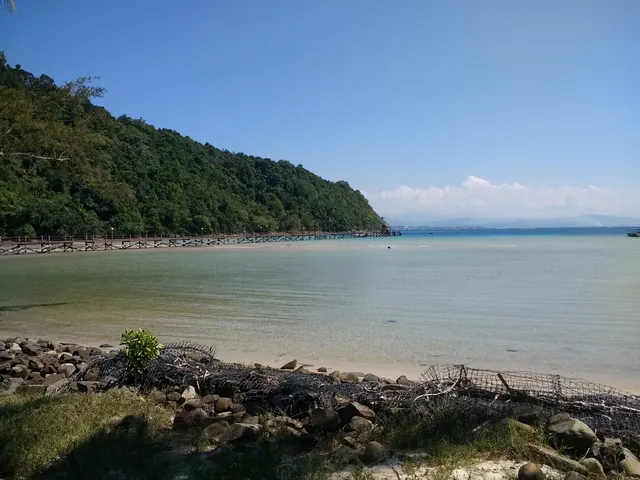
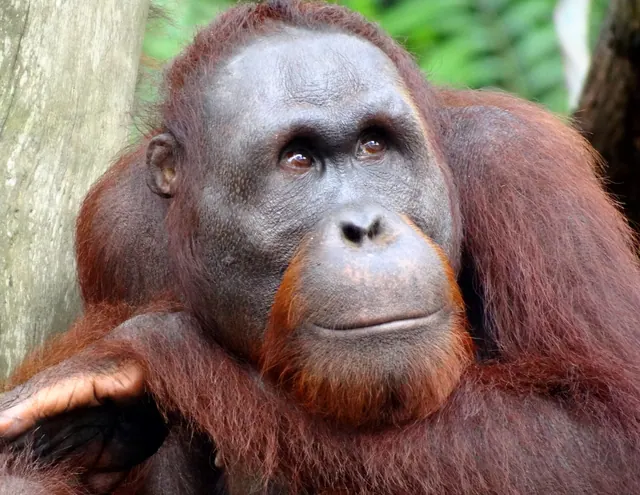
Think of it as the people half of the holiday. Spend a morning with the five tribes, then a free afternoon in Kota Kinabalu or a boat out to Gaya Island. After that it's east to the rainforest, with orangutans at Sepilok and wildlife cruises on our Kinabatangan River page.
The rest of the state is on our Sabah guide. How Malaysia's half of the island compares with the rest is on our Malaysian Borneo page.
Holidays that go there
Let a tour handle the internal flights, the river boats and the jungle lodges.
 Travelsphere
The Best of Borneo: Orangutans and Rainforests with Singapore add-on
The Best of Borneo wildlife tour with three nights in Singapore added before the flight home.
- Sepilok orangutans
- Kinabatangan river cruises
- Rasa Ria
- Singapore
From £4,759about £297 a day · per person
See dates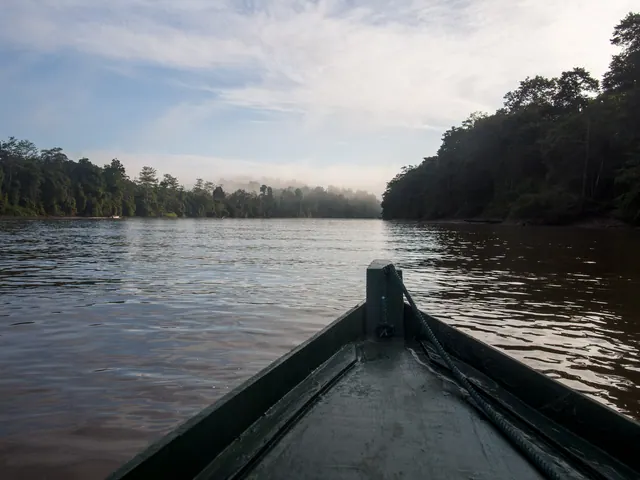 Newmarket Holidays
Borneo's Orangutans and Rainforest Adventure
Sandakan, Sepilok, the Kinabatangan and Kinabalu Park, finishing with four nights on the beach at Rasa Ria, with flights from Heathrow.
- Sepilok orangutans
- Kinabatangan river cruises
- Kinabalu Park
- Rasa Ria
From £3,271about £252 a day · per person
See dates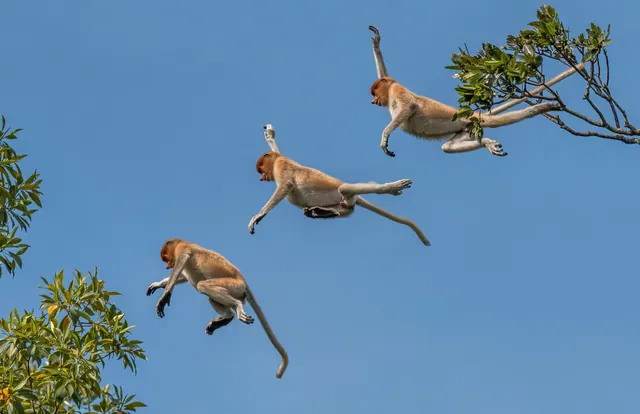 Titan Travel
Wild Borneo
A small-group wildlife tour from Kota Kinabalu through Kinabalu Park, Sukau and Sandakan, ending at Rasa Ria, with home pick-up for the flight.
- Kinabalu Park
- Kinabatangan river cruises
- Sepilok orangutans
- Rasa Ria
From £3,595about £277 a day · per person
See datesPrices are per person sharing, from the operators' own sites when we checked in October 2026. They change with dates and offers, so check the live price before you book.