The Sandakan death march is the name given to the forced marches of 1945, when Japanese guards drove sick and starving Australian and British prisoners of war out of a camp near Sandakan, on the north-east coast of Borneo, and west through the jungle to Ranau. It was one of the worst crimes against prisoners of the Second World War. Almost every man held there died, on the track, at Ranau or in the camp itself. Only six, all of them Australian, lived to see the end of the war.
The camp site is now Sandakan Memorial Park, a quiet, shaded garden on the road out of town towards Sepilok. Most organised wildlife holidays to Sabah pass through Sandakan on the way to the orangutans and the Kinabatangan River, so this is often the one stop on the trip where British visitors pause to remember.
What was the Sandakan death march?
Most of these Australian and British POWs had been captured when Singapore surrendered in February 1942, early in the Pacific War. The Japanese shipped them to North Borneo, as Sabah was then known, to build a military airstrip using, in the historian Lynette Silver's words, not much more than their bare hands.
| When | What happened |
|---|---|
| 1942 to 1943 | POWs from Singapore arrive to build the airstrip |
| 1943 | A secret radio is found; arrests and torture by the Kenpeitai; most officers moved to Kuching |
| Late 1944 | Allied bombing wrecks the airfield; rations are cut again |
| January 1945 | The first march leaves for Ranau with the fittest men |
| End of May 1945 | The second, larger march sets out |
| Mid June 1945 | A small third group follows |
| July 1945 | Four prisoners escape from Ranau |
| August 1945 | The last prisoners at Ranau and in the camp die; Japan surrenders on 15 August |
Life in the Sandakan POW camp
At first, conditions were bearable. Then the Japanese discovered that prisoners had built a radio and were in touch with a local resistance network, and the secret police moved in. Captain Lionel Matthews, who led the radio group, was executed in Kuching. His radio partner, Lieutenant Rod Wells, survived. Rations shrank, beatings grew more frequent, and by late 1944 men were dying of starvation, beriberi, malaria and tropical ulcers.
The marches to Ranau
With Allied forces closing in, the Japanese forced the POWs into the interior, towards Ranau, a small village on the flanks of Mount Kinabalu. The first group was meant for Jesselton (today's Kota Kinabalu) but was halted at Ranau. Two more forced marches followed in late May and mid June, under Japanese guard.
Local headmen who cut the track had routed it away from villages, across swamp, mud and steep forested mountains. Many prisoners had no boots.
There was little food and no medical care, and the Japanese guards killed anyone who could not keep up. Many of their bodies were never found. About half of those who set out died on the way, and most of the rest died at Ranau within weeks. Men too sick to leave stayed behind. None of them survived.
The six who survived
Every survivor escaped. Owen Campbell and Dick Braithwaite slipped away during the second march, and four more, among them Keith Botterill and Nelson Short, got out of Ranau in July. Local people hid and fed them at great risk. Their evidence was used at the war crimes trials that followed. No British prisoner came home.
Where the prisoners are buried
Australian war graves units later searched the camp and the track. Those they recovered lie in Labuan War Cemetery, cared for by the Commonwealth War Graves Commission, and men with no known grave are named on the memorials to the missing at Labuan and Singapore. British families waited years after the Second World War for answers. If a relative served in Borneo, the CWGC records are the place to start before you travel.
Visiting Sandakan Memorial Park
The park sits on the site of the former POW camp, off the Labuk Road a short drive from the town centre. A slow, flat path loops past lawns and tall trees. Australia's Department of Veterans' Affairs, which looks after the pavilion, lists it as open daily and offers a free audio guide made with former prisoners and their families.
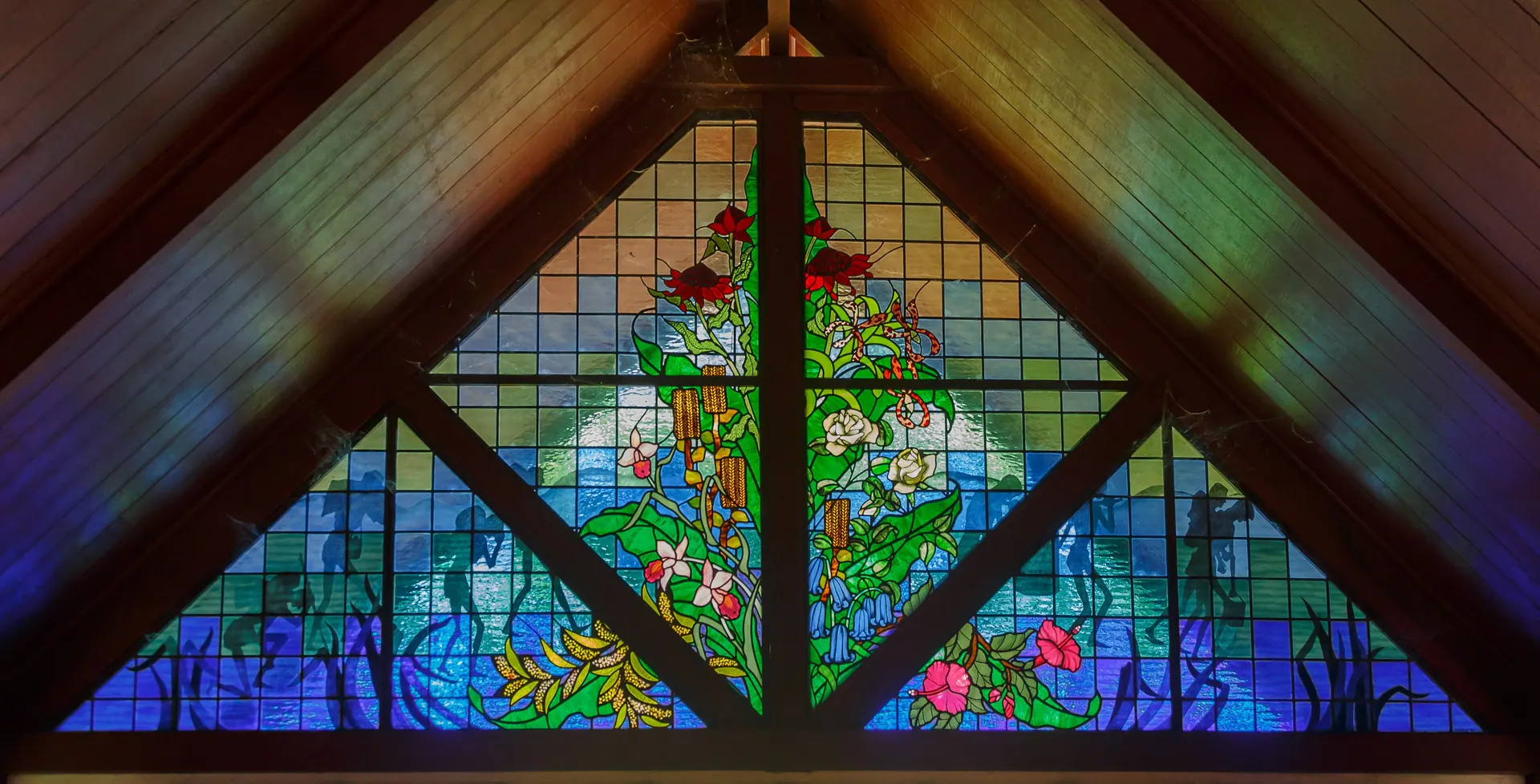
- The pavilion tells the history of the camp, with a stained glass window of a waratah, an English rose and a hibiscus for the three nations who suffered here.
- Wartime relics stand beside the path, with numbered posts that match the park brochure.
- A plaque marks the Big Tree that once towered over the huts.
- The black granite obelisk is where wreaths are laid on Anzac Day and Sandakan Day.
Before you go
- Download the audio guide and brochure at the hotel
- Search the CWGC records for a relative's name
- Light clothes that cover shoulders and knees, and a sun hat
- Water and insect repellent
- An hour or two, so nobody has to rush
- The opening hours and the FCDO travel advice, checked that week
It's hot and humid all year. Morning is the gentlest time to go. Treat it as you would a war cemetery at home: quiet voices, and no climbing on the relics for photos.
Ranau, Kundasang and the death march trek
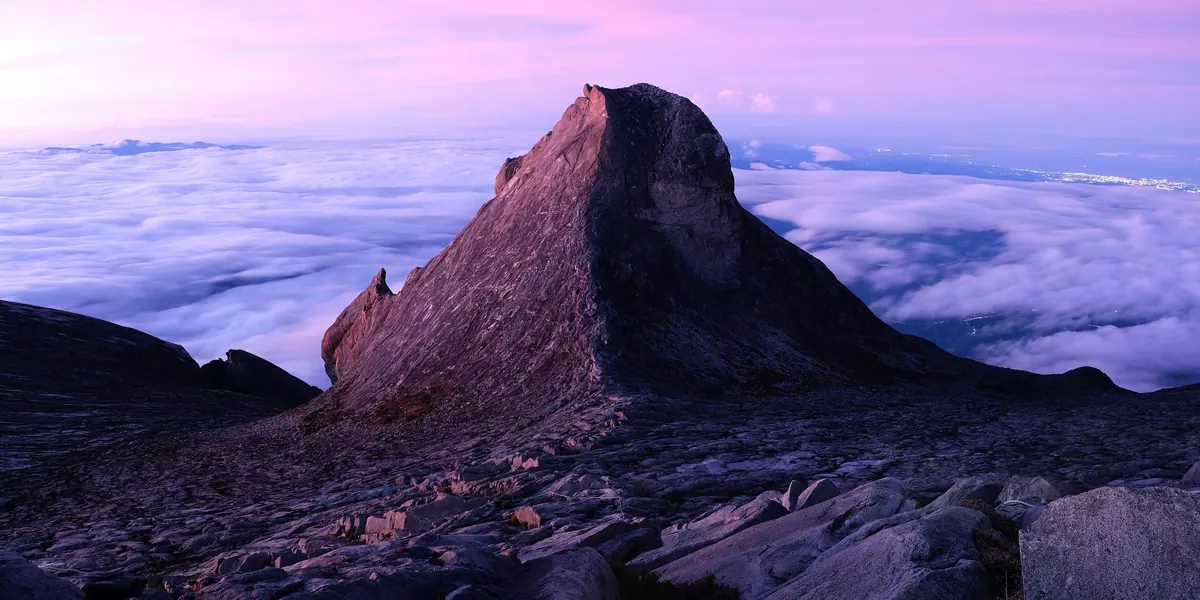
Inland, the war memorial at Kundasang has gardens for Australia, Britain and Borneo and honours the local people who helped prisoners, and a memorial at Ranau marks the Last Camp. Specialist companies lead a trek on the mountain section of the track over several days. It's steep and demanding. Think of it as a separate trip.
How do you fit the memorial into a holiday?
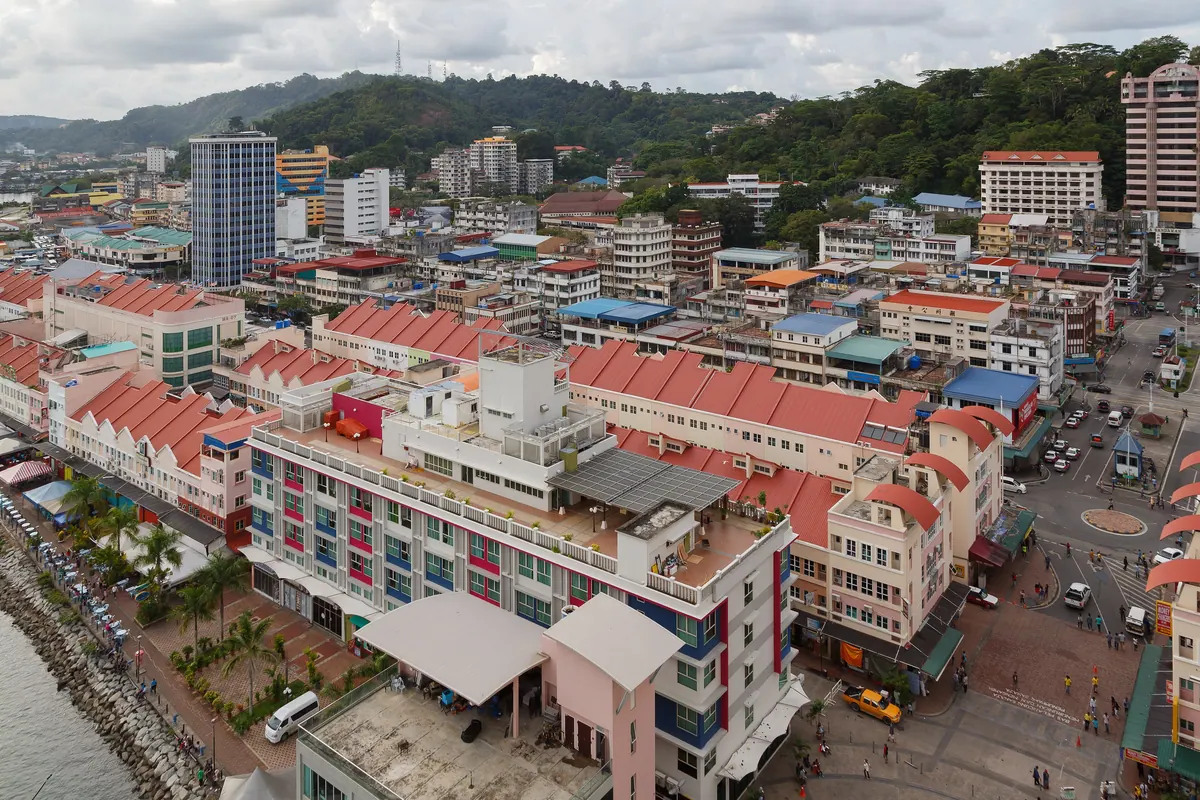
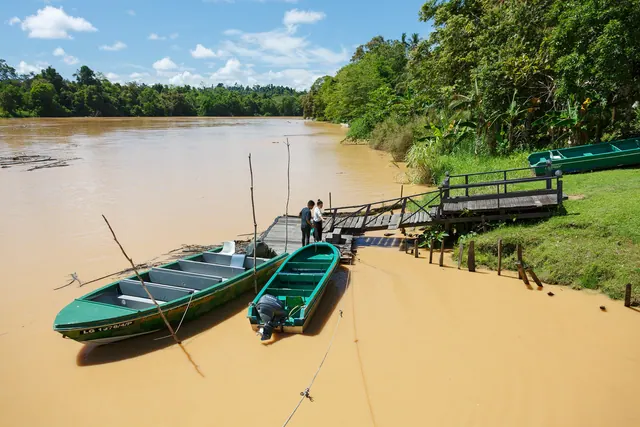
The town is the gateway to Sepilok and the lower Kinabatangan, so several organised holidays spend a night there. On Travelsphere's The Best of Borneo you come back down the river by boat from Sukau to free time in town, and Travelsphere suggests the Heritage Trail, which takes in the Memorial Park, Agnes Keith House and St Michael's and All Angels Church. This is free time, not a guided visit. Ask your Holiday Director about getting out to the park. Dates are on Travelsphere's own page.
Going by their own pages, Wendy Wu's Best of Borneo includes a visit to the park, Just You's Wild Borneo stops there on the drive from Ranau, and Titan's Wild Borneo visits Kundasang instead. Our Borneo tours comparison sets the routes side by side.
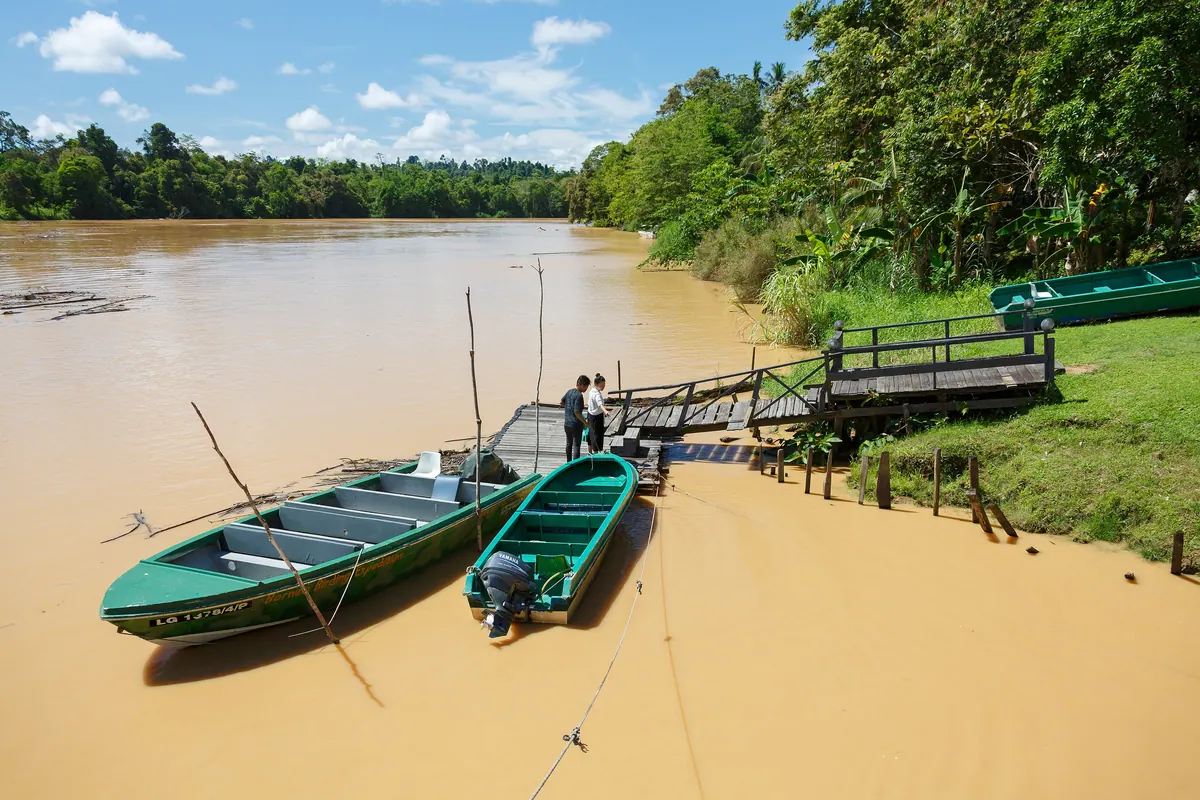
What the organised trip takes off your hands is the joining up: long-haul and internal flights, boat transfers to the jungle lodges, the hotel in town and a guide who knows it. The Rainforest Discovery Centre near Sepilok is on the same road if you have time to spare.
Both the town and the park are on the Sabah mainland. The FCDO advises against all but essential travel to the islands and dive sites off eastern Sabah from Sandakan to Tawau, including Lankayan Island, because of the risk of kidnapping, and says this does not apply to the mainland. Read the GOV.UK travel advice for Malaysia and check it before you travel.
For most visitors the memorial is a quiet hour set between the orangutans at Sepilok and the boat trips on the Kinabatangan River, and the one stop on the route that is about people rather than wildlife.
Holidays that go there
Let a tour handle the internal flights, the river boats and the jungle lodges.
 Travelsphere
The Best of Borneo: Orangutans and Rainforests with Singapore add-on
The Best of Borneo wildlife tour with three nights in Singapore added before the flight home.
- Sepilok orangutans
- Kinabatangan river cruises
- Rasa Ria
- Singapore
From £4,759about £297 a day · per person
See dates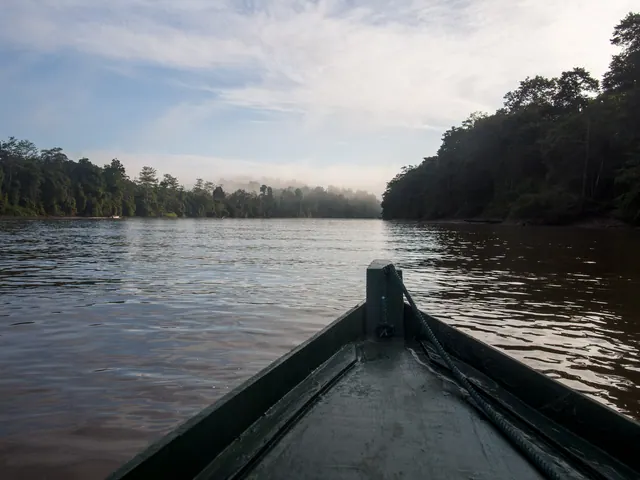 Newmarket Holidays
Borneo's Orangutans and Rainforest Adventure
Sandakan, Sepilok, the Kinabatangan and Kinabalu Park, finishing with four nights on the beach at Rasa Ria, with flights from Heathrow.
- Sepilok orangutans
- Kinabatangan river cruises
- Kinabalu Park
- Rasa Ria
From £3,188about £245 a day · per person
See dates Titan Travel
Wild Borneo
A small-group wildlife tour from Kota Kinabalu through Kinabalu Park, Sukau and Sandakan, ending at Rasa Ria, with home pick-up for the flight.
- Kinabalu Park
- Kinabatangan river cruises
- Sepilok orangutans
- Rasa Ria
PriceSee live priceTitan Travel site
See datesPrices are per person sharing, from the operators' own sites when we checked in October 2026. They change with dates and offers, so check the live price before you book.